
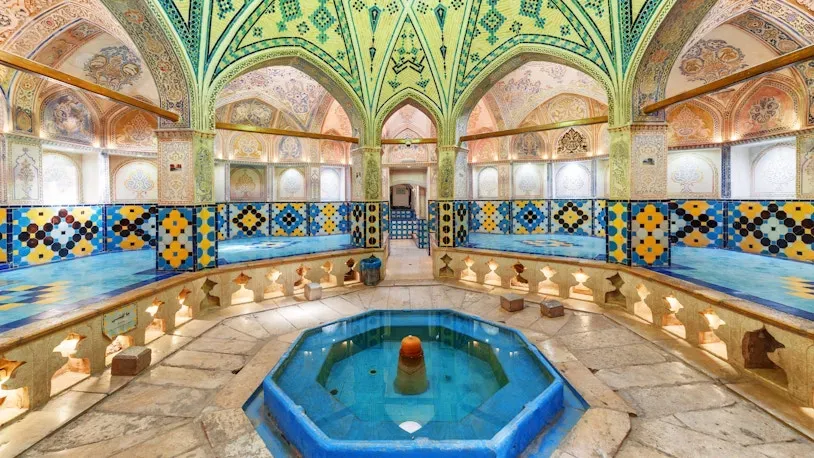
Turkish bath is a centuries-old ritual that blends heat, water, and cleansing to create a unique spa experience. This guide highlights Turkish bath techniques as they guide guests from a warm, humid start to a deeper cleanse. A key stage is Hammam cleansing, performed with a kese and soap to soften skin, open pores, and support effective exfoliation. The ritual continues with steam bath elements and a restorative massage, underscoring traditional Hammam benefits and a meditative pace. By the end, visitors often leave with smoother skin, improved circulation, and a renewed sense of calm.
Beyond the label, the Hammam-inspired ritual embraces bathhouse culture and Ottoman-influenced architecture. Viewed through an LSI-informed lens, the experience blends warmth, humidity, cleansing rituals, and massage as interconnected elements rather than isolated steps. Modern wellness pages often describe it as a holistic cleansing tradition, linking Hammam rituals with the benefits of increased circulation and mental calm. In contemporary studios, practitioners recreate the sequence – hot rooms, soap lather, exfoliation, and recovery – to preserve the essence of this enduring bathhouse practice.
1) Turkish Bath Techniques: Heat, Steam, and Exfoliation in Hammam Culture
Turkish bath techniques form the backbone of the Hammam experience, weaving heat management, humidity, and deliberate cleansing into a single ceremonial practice. Guests are guided through a progression of rooms where the air grows warmer and more saturated with moisture, preparing the skin for deeper cleansing. The careful orchestration of steam and temperature helps soften the skin, open pores, and ease muscle tension, making subsequent steps feel more effective and restorative.
This approach is not about endurance but mindful immersion in warmth. By balancing gradual exposure to heat with steady humidity, practitioners help the body relax, improve circulation, and set the stage for exfoliation and massage. The core idea behind Turkish bath techniques is to create a receptive environment where the body can release tension, while the mind settles into a quiet, ritual cadence that enhances overall well-being.
2) Hammam Rituals: The Full Sequence from Warm Room to Cool Rinse
Hammam rituals unfold in a carefully choreographed sequence that combines social etiquette with personal care. The warm room invites comfort and conversation, the hot room intensifies heat and humidity to loosen impurities, and the cooler rinse seals the cleansing process. This progression is designed to guide the body through a gentle cleansing journey, culminating in rest and reflection in a private or shared moment of quiet recovery.
Throughout the ritual, guests and practitioners observe etiquette that respects privacy and pace. The sequence itself becomes a meditative practice, encouraging slow movement, mindful breathing, and gratitude for the time spent in warmth. By embracing Hammam rituals in this way, visitors experience a holistic form of cleansing that supports mental calm as much as physical renewal.
3) Hammam Cleansing and Skin Renewal: Exfoliation with Kese and Soap Lather
A defining element of the Hammam cleansing process is exfoliation with the kese, a rough exfoliating glove that works with soap or olive oil-based wash to remove dead skin cells and boost circulation. The rhythmic, deliberate strokes prepare the skin to absorb moisturizers more effectively, while encouraging lymphatic flow and a healthy glow. Exfoliation is not merely cosmetic—it primes the skin for deeper cleansing and leaves a receptive surface for subsequent hydration.
Following exfoliation, a rich soap lather is applied with long, sweeping motions to cleanse the body. This step reads as much as a ritual as a cleaning act, offering a meditative pace that supports relaxation. The lather protects the skin from over-cleansing while guiding impurities away, setting the stage for the nourishing massage and final rinse that follow in the Hammam routine.
4) Therapeutic Benefits: Steam, Massage, and Traditional Hammam Benefits
The steam and heat integral to the Turkish bath promote circulation, sweating, and toxin elimination, contributing to a sense of physical renewal. Steam bath environments soften skin, loosen muscles, and support a calmer nervous system, making subsequent cleansing and massage more effective. In this context, the traditional Hammam benefits extend beyond surface cleansing to include deeper relaxation and improved overall vitality.
Massage in the Hammam complements cleansing by releasing tension, enhancing lymphatic flow, and improving flexibility. Oils or moisturizers used during massage lock in hydration and keep the skin supple after heat exposure. The combination of cleansing, heat, and massage nurtures a holistic sense of well-being, aligning physical renewal with mental calm—a hallmark of traditional Hammam benefits that many seek in this cultural practice.
5) Modern Spa Adaptations: Bringing the Turkish Bath Experience to Home and Wellness Routines
Today’s wellness enthusiasts often adapt Turkish bath concepts for home spas or boutique facilities. The core principles—gradual heat exposure, thorough cleansing, exfoliation, and unhurried relaxation—translate well to at-home routines, with a warm bath or shower, a gentle exfoliant, and a soothing massage or self-massage. These adaptations preserve the essence of the steam bath-inspired warmth while offering flexibility for personal schedules and spaces.
Even when visiting modern spas, guests can look for authentic signals of the Hammam ritual: a respectful pacing, a kese-based exfoliation option, and a final rest period that allows the body to regulate temperature after cleansing. By embracing these elements within contemporary settings, individuals can enjoy the Turkish bath experience—maintaining the traditional Hammam rituals, Hammam cleansing practices, and the enduring benefits associated with this time-honored practice.
Frequently Asked Questions
What are Turkish bath techniques in a Hammam and how do they shape the experience?
Turkish bath techniques in a Hammam are the signature steps that define the ritual: steam and heat management, exfoliation with the kese, soap lather and full-body cleansing, followed by massage and a final rinse. These Turkish bath techniques guide warmth, cleansing, and relaxation while honoring centuries of tradition.
How does Hammam cleansing work in a traditional Turkish bath?
During Hammam cleansing, exfoliation with a kese is performed using a soap or olive-oil soap and a thorough rinse, then a massage. The step is set within a steam bath environment to soften skin, prepare it for deeper cleansing, and support the next stages of the ritual.
What traditional Hammam benefits can you expect from a steam bath in a Turkish bath?
From a steam bath, traditional Hammam benefits include improved circulation, detoxification through sweating, and smoother skin after Hammam cleansing. The massage enhances relaxation, contributing to a sense of renewal tied to Turkish bath practices.
How should I prepare for a Turkish bath visit to enjoy the steam bath and Hammam rituals?
Prepare by hydrating before and after, wearing a pestemal or appropriate attire, and pacing yourself with heat exposure. Communicate any sensitivities to the practitioner to tailor Hammam cleansing and steam bath intensity for a safe, authentic Turkish bath experience.
What etiquette should visitors follow in a Turkish bath to respect Hammam rituals?
Respect modesty and privacy, follow staff instructions during Hammam rituals, and observe quiet periods and appropriate towel use. Adhering to Turkish bath etiquette helps maintain the serene atmosphere and honors traditional Hammam practices.
| Topic | Key Points |
|---|---|
| What is the Turkish bath (Hammam) | A cultural cleansing ritual blending heat, moisture, cleansing, and relaxation with Ottoman-inspired architecture and a progression through warm and hot rooms to a cooler rinse. |
| Signature techniques | Steam/heat management in warm and hot rooms, gradual exposure, steady humidity, and a focus on mindful relaxation. |
| Exfoliation with kese | Exfoliating with a kese (rough glove) using soap or olive-oil soap to lift dead skin, boost circulation, and prepare skin for cleansing. |
| Soap lather and cleansing | Rich lather applied with sweeping strokes to remove oils and impurities; a meditative, ritual cleansing step. |
| Massage and relaxation | Post-cleansing massage to relieve tension, improve circulation, and promote lymphatic flow, often with oils for glide. |
| Final rinse and rest | Cool or lukewarm rinse to close pores, followed by rest in a calm space to rehydrate and reflect. |
| Cultural context and etiquette | Modesty, staff guidance, pestemal usage, appropriate conversation, and orientation for first-time visitors. |
| Benefits and modern integration | Improved circulation, detoxification, skin renewal, mental relaxation, social connection, and adaptable practices for home or boutique settings. |
| Architecture and atmosphere | Marble surfaces, domed ceilings, fountains, and a serene ambience that fosters contemplation and ritual pacing. |
| Safety and wellness considerations | Stay hydrated, adjust heat and pressure as needed, and consult professionals if you have medical conditions or skin sensitivities. |

