
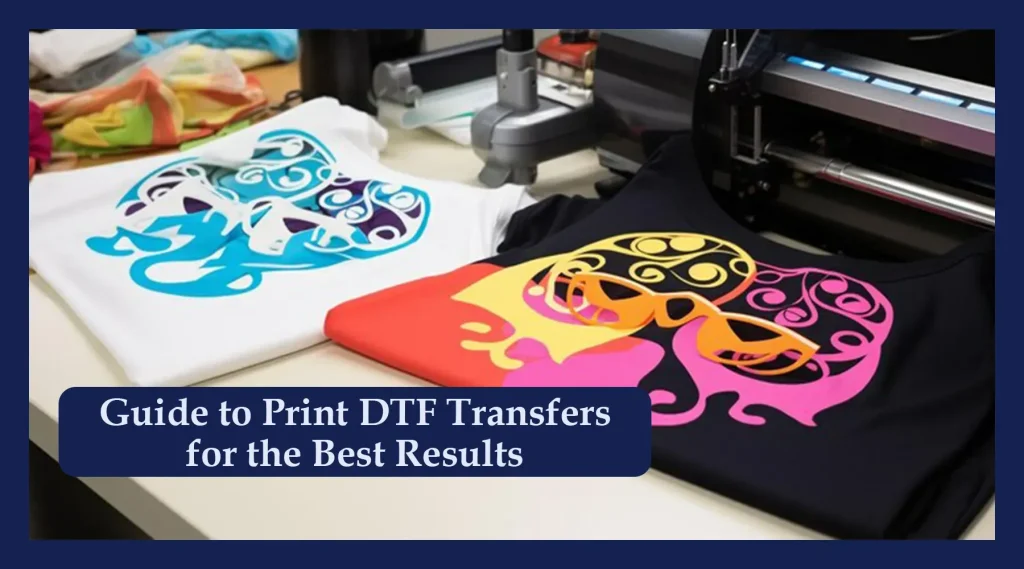
DTF transfers have surged in popularity for decorating apparel, delivering vivid colors, a soft hand feel, and the ability to reproduce detailed artwork on a wide range of fabrics, from lightweight tees to performance blends, and a growing ecosystem of suppliers supports experimentation. For designers and shop owners, the appeal lies in consistent color fidelity and a smooth finish that stands up to washing, with DTF transfer blends offering flexibility that suits varied garment specs and the different yardages and applications you encounter, whether you run a single design studio or scale to dozens of orders. When evaluating options, many look for guidance on cotton supplies and dark fabrics, top-quality performance, and practical selection tips, hence references to Best DTF transfers and clear criteria to choose the right option for each project, followed by careful testing on representative samples. Key factors to consider include film quality, adhesive chemistry, opacity, hand-feel, stretch, and wash durability, all of which influence how a design performs on different fibers and under everyday wear and tear, guiding you toward more consistent results. Starting with samples and documenting pressing parameters helps you compare results and build a reliable workflow that consistently delivers durable, vibrant prints on cotton, blends, and dark fabrics across multiple runs, while maintaining quality control and scalable production.
Beyond the brand name, this approach uses a digital transfer film technology where an adhesive-backed sheet carries the image and is bonded to fabric under heat. From an SEO and LSI perspective, phrases like digital transfer film, heat-applied graphics, adhesive-coated prints, and on-garment imagery help describe the same process without repeating the same term. The core idea remains consistent across fabrics: high-resolution designs with reliable adhesion, a soft hand-feel, and good wash-fastness when properly pressed. By framing the topic with these alternative terms, you can improve search relevance for cotton, blends, and dark fabrics while avoiding keyword stuffing.
DTF Transfers for Cotton: Maximizing Brightness and Softness
DTF transfers for cotton can deliver vibrant color on 100% cotton fabrics while maintaining a comfortable hand-feel. When evaluating options, prioritize formulations that sit evenly on the weave and resist cracking, so designs stay sharp after many washes. Opacity is key for lighter garments, so look for transfers that provide strong color even at lower gram weights, or that include a white underbase option to preserve brightness.
Applied properly, cotton-focused DTF transfers should bond firmly during heat press cycles without leaving a heavy note or stiffness on the fabric. It’s crucial to run controlled tests on your typical cotton garments to gauge adhesion, edge lift, and color retention over time. Seek suppliers who clearly specify fabric compatibility (100% cotton and cotton-rich blends), recommended temperatures, dwell times, and post-press care to ensure consistent results across batches.
Choosing DTF Transfers: A Practical Framework for Fabrics
Choosing DTF transfers starts with a fabric-centric framework. Define the target fabric category (cotton, blends, or dark fabrics), then assess the performance you need—brightness, durability, and hand-feel. Compare options by examining film quality, adhesive compatibility, and color charts to predict how the transfer will perform on both light and dark garments.
As you compare candidates, consider the role of DTF transfer blends and how they affect elasticity and wash durability. Request proofs or samples and test them on representative swatches to observe edge stability, color fidelity, and how the design handles repeated laundering. A structured evaluation of two to three options will help you choose transfers that balance opacity, vibrancy, and wearer comfort.
DTF Transfers for Dark Fabrics: Achieving Vivid Colors on Black and Navy
DTF transfers for dark fabrics require careful attention to opacity and color fidelity. Designs for black, navy, or other deep-toned garments often rely on built-in opacity or a bright white underbase to ensure legibility and pop. When selecting transfers, prioritize options that minimize whitening and produce smooth edges on dark textiles, even after multiple washes.
In practice, dark-fabric applications benefit from testing under your usual pressing conditions to confirm that color density remains consistent and that the hand-feel stays comfortable. Verify that the pigment stack maintains brightness after laundering and that the adhesive layer bonds reliably with dark fibers without scorching the material. This approach helps ensure durable, fade-resistant results for dark fabric projects.
DTF Transfer Blends: How Blends Influence Adhesion, Flexibility, and Durability
DTF transfer blends introduce a balance between adhesion strength and fabric flexibility. On blends such as cotton-polyester, the polyester content can affect heat response and crease resistance. Choose DTF transfer blends designed to retain flexibility so the image moves with the fabric rather than cracking or peeling at the edges.
Pay attention to recommended pressing temperatures and durations for blends, as some transfers require slightly different parameters to achieve optimal adhesion without scorching. Testing blends on sample garments helps reveal how the transfer handles shrinkage, tension, and repeated washing, guiding you toward options that maintain color integrity and a smooth hand-feel across fabric varieties.
Best DTF Transfers: How to Pick the Top Options for Your Shop
Best DTF transfers are defined by reliable film quality, a dependable adhesive, and clear fabric compatibility. When evaluating options, look for transfers with strong color fidelity, high resolution, and predictable post-press behavior across light and dark garments. A well-documented specification sheet and accessible proofs can save time in production and reduce the risk of edge lift.
To select the top options for your shop, compare at least two or three candidates, test them on representative fabrics (cotton, blends, and dark fabrics), and document your press settings and results. Consider the finish (matte or gloss) and how it complements your typical garment colors and customer styling. By prioritizing opacity, wash durability, and overall comfort, you’ll identify the Best DTF transfers that deliver consistent, professional results.
Frequently Asked Questions
Choosing DTF transfers for cotton: what should I consider?
For cotton, prioritize high opacity, a soft hand-feel, and wash durability. Check film quality, adhesive compatibility with 100% cotton or cotton-rich blends, and color accuracy. Always test on sample shirts and document your pressing settings to compare results.
DTF transfers for dark fabrics: how can I optimize opacity and color fidelity?
Dark fabrics require strong opacity and color fidelity. Use transfers with built-in opacity or a white underbase, verify colorfastness after multiple washes, and ensure the adhesive works well with dark fibers. Test on representative dark garments.
What defines the Best DTF transfers for vibrant prints?
Best DTF transfers deliver vibrant color, sharp edges, good hand-feel, and durable wash performance. Look for high-quality transfer film, reliable adhesion, clear color charts, and proven results across light and dark fabrics.
DTF transfer blends: why are they important and how should I choose them?
DTF transfer blends balance comfort and durability. Seek flexibility, edge integrity, adequate elongation, and clear pressing guidelines for blends. Test on a small batch to confirm no cracking and consistent adhesion.
Choosing DTF transfers: what steps help ensure you pick the right option?
When choosing DTF transfers, define the target fabrics (cotton, blends, dark fabrics), compare specs, request proofs or samples, and run small batch tests. Evaluate color fidelity, opacity, hand-feel, wash performance, and recommended pressing parameters.
| Topic | Key Points |
|---|---|
| What are DTF transfers? | A transfer film with adhesive and a top coating that bonds to fabric when heat-pressed. They offer vibrant color, fine detail, and broad fabric compatibility; quality depends on film, adhesive formulation, and curing. |
| Fabric focus: Cotton | Good adhesion and color with a soft hand-feel. Minimize cracking and ensure even ink sit on the weave. Look for high opacity without heavy feel on light-colored shirts; opacity may require white underbase or high-opacity layers. |
| Fabric focus: Blends | Blends (e.g., cotton-poly) can affect adhesion and drying. Transfers should be flexible to prevent micro-cracking, with good edge integrity and wash durability. Higher elongation tolerance helps on blends; test on blends. |
| Fabric focus: Dark fabrics | Opacity and color fidelity are critical. White underbases or high-opacity layers help designs pop on black/navy fabrics. Choose transfers with built-in opacity or that perform well with a white underbase; verify brightness after multiple washes. |
| Evaluating DTF transfers: Key factors | Film quality and print resolution; adhesive formulation and cure requirements; opacity and color density; hand-feel and stretch; wash durability and colorfastness. |
| Best practices for selecting | Source high-quality transfers from reputable suppliers with transparent specs; check compatibility with target fabrics and heat-press equipment; review color charts/proofs; test with small batches; consider finish (matte/gloss); document press settings for each fabric. |
| Practical tips for application and care | Pre-press to remove moisture; apply even pressure and dwell time; cool gradually after application; advise customers on care (wash inside-out, gentle cycles, low-heat drying) to maximize transfer life. |
| Common mistakes to avoid | Skipping preliminary testing; using wrong heat-press settings; applying too many layers; failing to trim outlines; ignoring shrinkage and post-wash changes on blends/dark fabrics. |
| Choosing DTF transfers: Practical framework | 1) Define the fabric (cotton, blends, dark fabrics). 2) Decide required performance (brightness, durability, hand-feel). 3) Check transfer’s recommended fabrics/press parameters. 4) Request samples and test on garments. 5) Compare 2–3 options for color fidelity, opacity, and wash performance. |

